Oxford and Texas, born 1952
Galen Strawson
You do what you do because of the way you are. So to be truly responsible for what you do, you must be truly responsible for the way you are. But that would mean having made yourself, and to do that you would already have had to be someone. Nobody can be the cause of themselves.
The view
Galen Strawson, the son of P. F. Strawson, has taught at Oxford, Reading and the University of Texas at Austin. He has written on consciousness, the self and, in Freedom and Belief (1986) and a much-reprinted paper, "The Impossibility of Moral Responsibility" (1994), on free will.
Strawson's target is a particular kind of responsibility: the kind that would make it fair, without qualification, to reward or punish someone for ever in heaven or hell. Most people's ordinary picture of blame, he thinks, involves this kind, at least in a diluted form. He argues that nobody could ever have it, whether determinism is true or false.
The argument
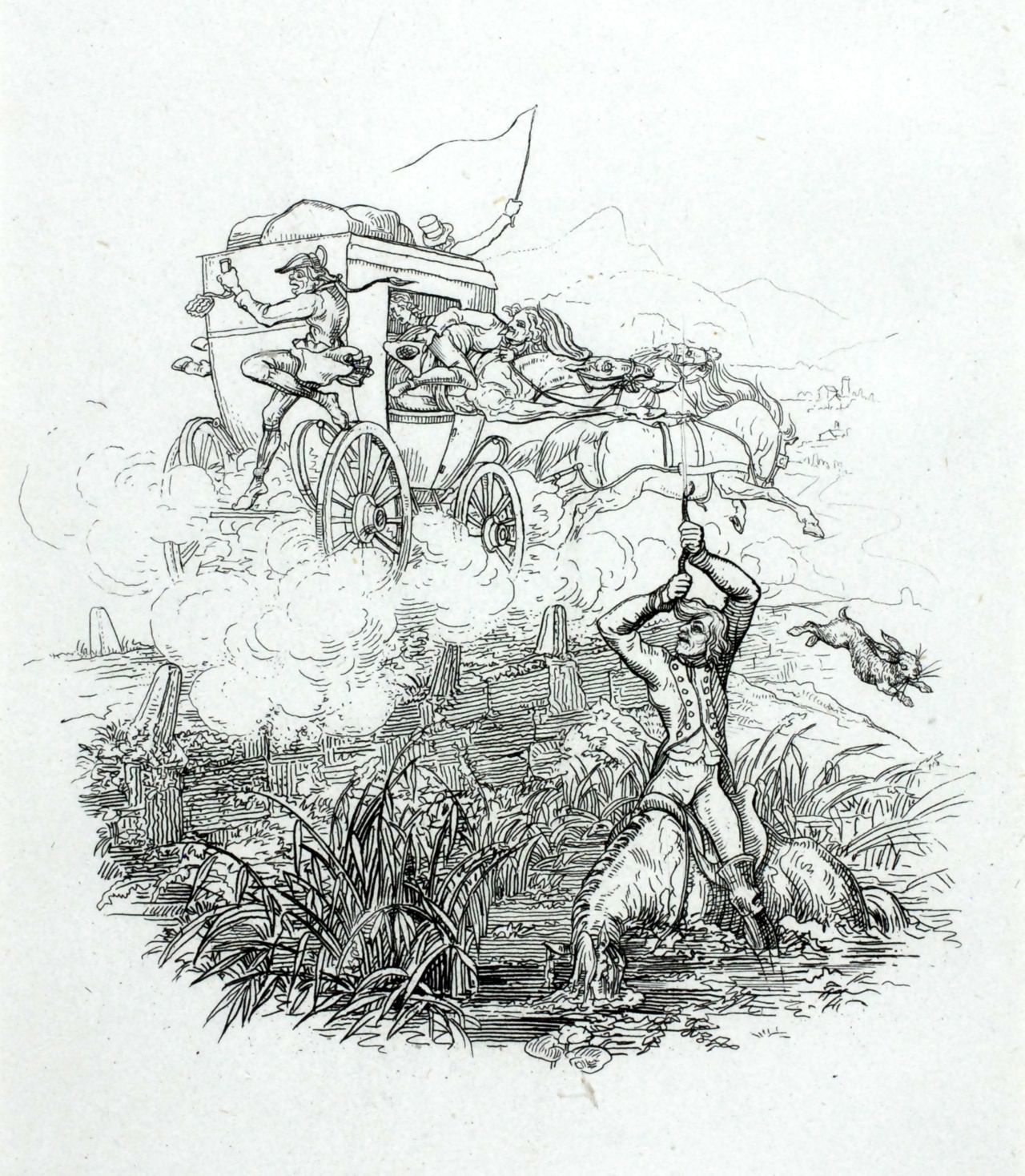
The desire to be the cause of oneself is the desire to pull oneself up into existence by the hair, out of the swamp of nothingness, with more than Münchhausen's audacity. Nietzsche, Beyond Good and Evil §21 (1886), our paraphrase
Strawson's Basic Argument runs like this. When you act, you do what you do because of the way you are, mentally speaking. To be ultimately responsible for the act, you must be responsible for being the way you are. To be responsible for that, you must have chosen to be that way, and chosen it on the basis of how you already were, which you must also have chosen, and so on, for ever. The regress can never end, so ultimate responsibility is impossible. Follow it below.
Indeterminism does not help: a random event in your formation is no more something you chose than a determined one. Strawson accepts that people can change themselves, but points out that the way they try to change, and whether they succeed, depends on how they already were. He calls this argument obvious, and finds it strange that so few people accept it.
Where he meets Dennett
On more than either might admit. Dennett agreed with every premise about causes: nobody makes themselves from nothing, and no one could be the cause of themselves. He also agreed that heaven-and-hell responsibility, desert that would justify infinite reward or punishment, does not exist. If that is what "true" responsibility means, Dennett was as sceptical about it as Strawson.
Where they part
On whether anything important is lost. Dennett thought ultimate responsibility was a philosopher's ideal that no one needs, like an absolute zero of causation. What we need is the responsibility of a person who has gradually taken charge of what they were given, which comes in degrees and does not require having been there at the start. Dennett liked to answer regress arguments of this shape with an analogy from biology. It is like arguing that nobody is really a mammal, because every mammal's mother was a mammal, and so on back without end; yet mammals exist, and emerged gradually from creatures that were not. Responsibility, too, can emerge gradually without a first, self-made step.
| Galen Strawson | Dennett | |
|---|---|---|
| Is everything fixed by prior causes? | It does not matter: either way, no one is self-made. | Perhaps. Freedom does not depend on the answer. |
| Is free will compatible with determinism? | The freedom that matters is incompatible with anything. | Yes. Every kind of freedom worth wanting survives determinism. |
| Do we have free will? | Not of the kind that would make us truly responsible. | Yes: an evolved capacity to act for reasons, which comes in degrees. |
| Does anyone deserve blame? | Not ultimately. No one deserves punishment or reward in the deepest sense. | Yes, within a fair system of rules that free agents have reason to accept. |
Further reading
- Galen Strawson, "The Impossibility of Moral Responsibility", Philosophical Studies 75 (1994).
- Galen Strawson, Freedom and Belief (Oxford, 1986; revised edition 2010).
- Friedrich Nietzsche, Beyond Good and Evil (1886), section 21.